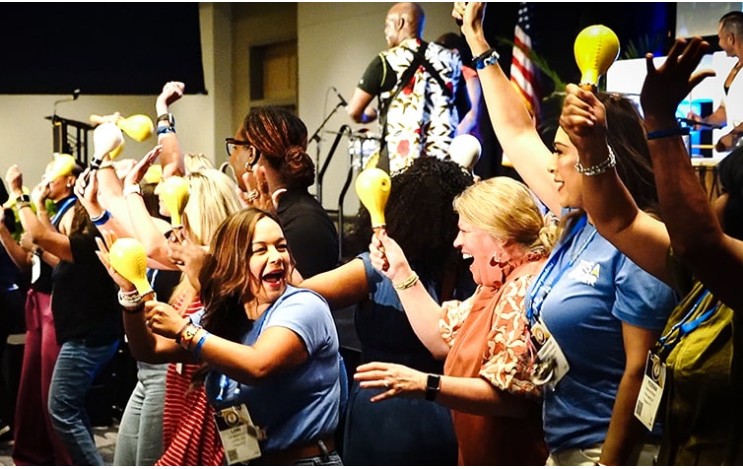
Strong teams do not happen by accident. They are built through trust, communication, and shared experiences. This is why team building activities have become an essential part of modern work culture. They help individuals connect beyond job titles and daily tasks, creating an environment where collaboration feels natural rather than forced.
When people feel comfortable working together, productivity improves, misunderstandings decrease, and morale rises. Team building is not about games alone; it is about strengthening relationships that directly impact performance.
The Role of Team Building in Workplace Culture
Workplace culture shapes how people communicate, solve problems, and support one another. Without positive interaction, even skilled teams can struggle.
Team building activities encourage openness and mutual respect. They allow team members to see different perspectives, appreciate individual strengths, and understand how everyone contributes to shared goals. Over time, this creates a culture where cooperation becomes part of everyday work.
How Team Building Improves Communication
Poor communication is one of the most common challenges within teams. Misunderstandings can lead to mistakes, frustration, and reduced efficiency.
Well-designed team building activities create safe spaces for conversation. They encourage listening, idea sharing, and clear expression without pressure. As people learn how others think and communicate, everyday collaboration becomes smoother and more effective.
Building Trust Through Shared Experiences
Trust is the foundation of any successful team. Without it, people hesitate to share ideas, ask for help, or take initiative.
Team building activities help build trust by placing individuals in situations that require cooperation. Working together toward a common objective strengthens confidence in one another’s abilities. These shared experiences often translate into stronger support and accountability in daily work.
Encouraging Problem-Solving and Creativity
Teams face challenges that require creative thinking and flexible solutions. Routine work can limit innovation when people fall into fixed patterns.
Team building activities introduce new ways of thinking. They encourage experimentation, collaboration, and problem-solving outside of normal responsibilities. This mindset often carries over into the workplace, where teams become more open to new ideas and approaches.
Strengthening Leadership and Collaboration Skills
Leadership does not exist only in formal roles. Effective teams recognize leadership qualities across all levels.
Through team building activities, individuals often step into leadership roles naturally. Others practice collaboration, decision-making, and adaptability. These experiences help teams balance leadership and support, improving overall effectiveness.
Boosting Morale and Motivation
Motivation can decline when work becomes repetitive or stressful. A disengaged team often struggles to maintain energy and focus.
Team building activities offer a refreshing change. They break routine, reduce stress, and remind people why working together matters. When morale improves, motivation follows, leading to better engagement and performance.
Creating Inclusive and Supportive Teams
Diverse teams bring valuable perspectives, but inclusion does not happen automatically. People need opportunities to connect and understand one another.
Team building activities help bridge gaps by encouraging interaction across different roles and personalities. Inclusive activities ensure everyone feels valued and heard, strengthening team unity and mutual respect.
Choosing the Right Team Building Activities
Not all activities work for every team. The most effective ones align with team goals, comfort levels, and dynamics.
Some teams benefit from collaborative challenges, while others prefer creative or discussion-based activities. The key is choosing experiences that encourage participation rather than competition or pressure.
Making Team Building Part of Ongoing Growth
Team building should not be treated as a one-time event. Consistent efforts create lasting impact.
Regular team building activities reinforce trust, communication, and collaboration over time. They help teams adapt to changes, welcome new members, and maintain strong connections even during busy periods.
Measuring the Impact of Team Building
The benefits of team building are often visible through improved communication, higher engagement, and stronger cooperation.
Teams that invest in meaningful activities often experience fewer conflicts, better problem-solving, and increased satisfaction. These outcomes support long-term success rather than short-term enjoyment alone.
Why Team Building Is an Investment, Not a Distraction
Some view team building as time away from work. In reality, it is time invested in making work more effective.
Team building activities strengthen relationships that directly influence performance. They help teams work smarter, not harder, by reducing friction and improving understanding.
Final Thoughts
Strong teams are built through connection, trust, and shared experiences. Team building activities provide the structure needed to develop these qualities naturally.
 Tech Media Today